
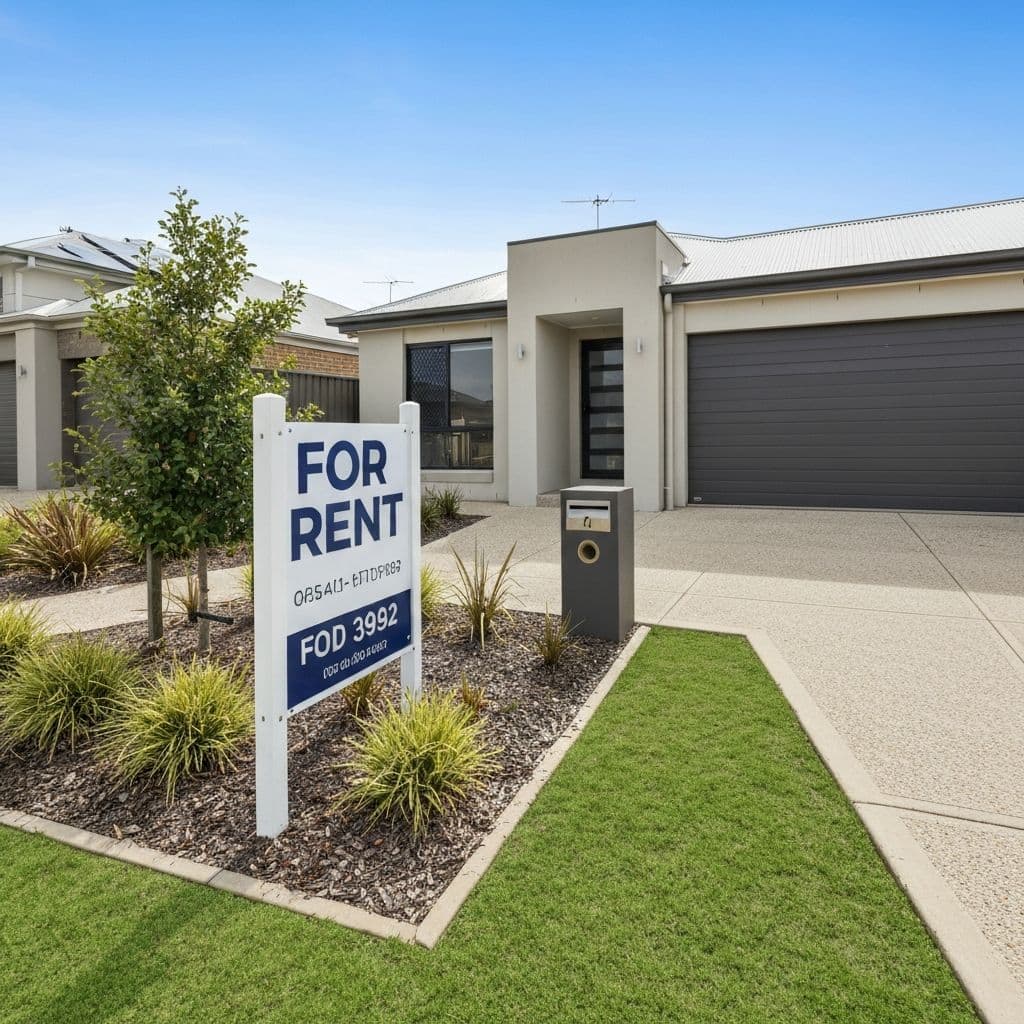
Investment Property 101: Building Wealth Through Real Estate
Property investment has created more millionaires in Australia than any other asset class. Learn the fundamentals of building a successful property portfolio.
Investment Property 101: Building Wealth Through Real Estate
Property investment remains one of the most reliable paths to wealth creation in Australia. This guide covers the essentials for aspiring and current investors.
Why Property Investment?
**Key advantages of property:** - Leverage: Banks will lend up to 80-90% of property value - Tax benefits: Negative gearing and depreciation deductions - Capital growth: Historically strong long-term appreciation - Rental income: Regular cash flow from tenants - Control: You can add value through improvements
Investment Strategies
**1. Buy and Hold**
The classic strategy of purchasing property and holding it for the long term to benefit from capital growth. This works best in high-growth areas with strong fundamentals.
**2. Positive Cash Flow**
Focus on properties where rental income exceeds all expenses from day one. Often found in regional areas with higher yields.
**3. Value-Add**
Purchase undervalued properties, make strategic improvements, and increase both value and rental income.
**4. Development**
More advanced strategy involving subdivision, building, or significant renovation projects.
Choosing the Right Property
**Research checklist:** - Population growth trends - Employment opportunities - Infrastructure development - Rental demand and vacancy rates - Historical capital growth - Rental yield
Understanding the Numbers
**Key metrics every investor should know:**
**Gross Yield**: Annual rent / Property value x 100 - Example: $25,000 rent / $500,000 value = 5% yield
**Net Yield**: (Annual rent - Expenses) / Property value x 100 - Factor in rates, insurance, management fees, maintenance
**Cash Flow**: Rental income - All expenses (including loan repayments)
Tax Considerations
**Negative Gearing**: When expenses exceed income, you can offset losses against other income.
**Depreciation**: Claim deductions for the declining value of the building and fixtures.
**Capital Gains Tax**: Payable when you sell, but 50% discount applies if held for more than 12 months.
Building a Portfolio
Start with one property and understand how it performs before expanding. Many successful investors follow these principles:
1. Buy in different markets to diversify risk 2. Mix growth-focused and yield-focused properties 3. Regularly review and revalue your portfolio 4. Use equity from existing properties to fund new purchases
Common Mistakes to Avoid
- Buying based on emotion rather than numbers - Over-leveraging in a rising interest rate environment - Neglecting property management - Not having adequate landlord insurance - Failing to plan for vacancies and maintenance